What Fire Alarms Are Designed to Do
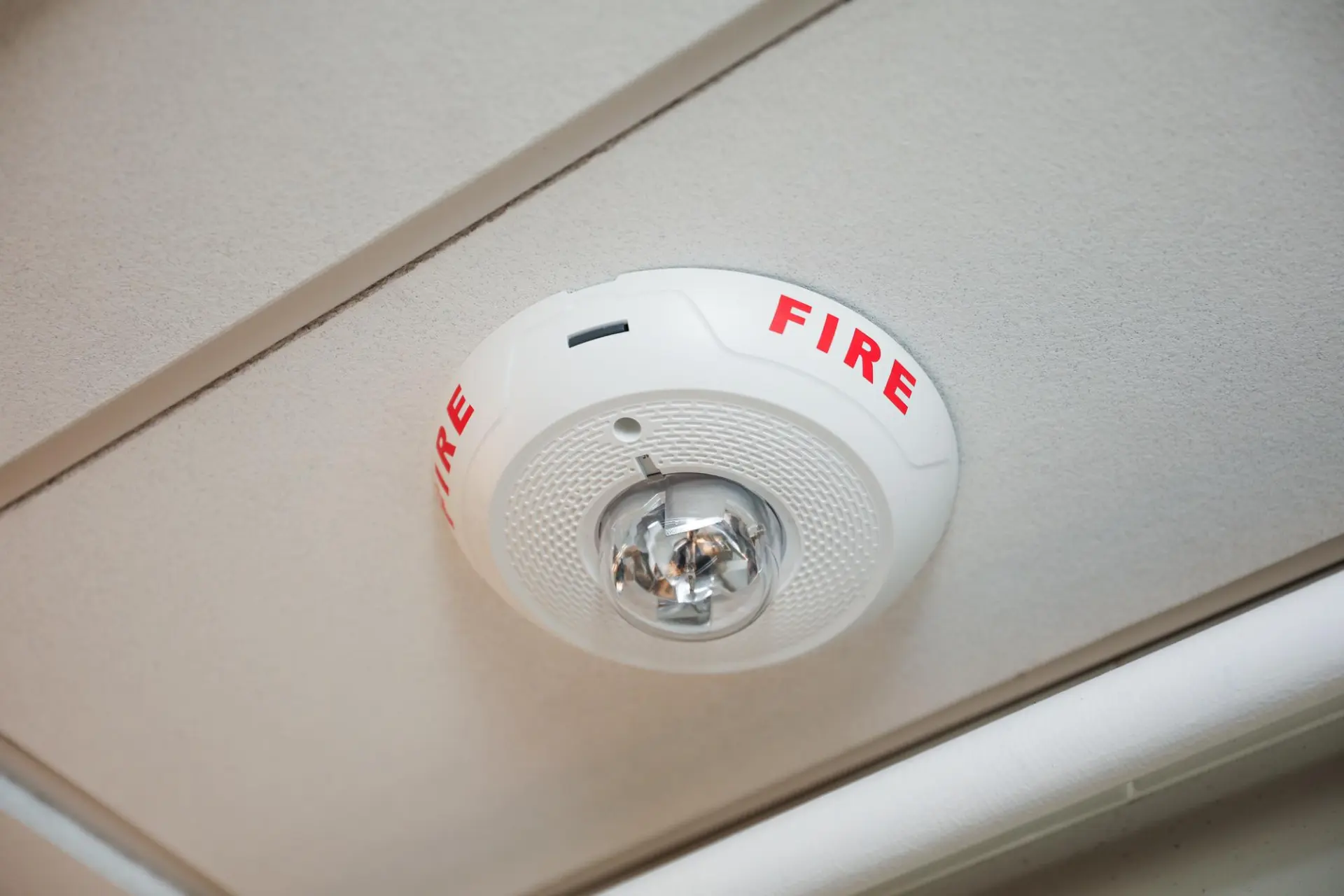
Fire alarms are designed to give a clear warning when there may be a fire. They do this by detecting signs such as smoke, heat, or sometimes flames, depending on the type of system installed. Once a possible fire is detected, the system sounds an alarm so that people inside the building know they need to respond. This warning may be a loud sounder, a flashing light, a voice message, or a mix of different alerts.
The main purpose of your fire alarm is to protect your life. In many fires, the greatest danger is not the flames themselves but the smoke and toxic gases produced as materials burn. Smoke can spread through a building quickly, making it hard to see and difficult to breathe. A fire alarm can warn people before conditions become too dangerous, giving them time to leave by the safest route.
Fire alarms also help you understand when a situation needs urgent action. Without any alarm, you might be more prone to ignoring strange smells, small amounts of smoke, or unusual heat. A loud and clear alarm removes doubt. It tells everyone that they should stop what they are doing, follow the evacuation plan, and move to safety.
In larger buildings, fire alarm systems can also help you identify where the problem may be. Zoned systems can show which part of the building has triggered the alarm. This helps responsible people, fire wardens, and emergency services respond more effectively. The system becomes more than a warning device. It becomes part of the building’s wider fire safety arrangements.
Why Early Warning Saves Lives
Fires can spread much faster than many people will expect. A small fire can quickly develop into a serious emergency within a short few minutes, especially in areas where there are flammable materials, open doors, poor ventilation control, or crowded spaces. The earlier people in your property are alerted, the more time you have to make safe choices.
During a fire, smoke can move through corridors, stairwells, and rooms before flames are visible. Smoke inhalation can cause confusion, coughing, weakness, and loss of consciousness. This is especially dangerous while people are asleep, because smell does not always wake a person in time. A working fire alarm can give a strong warning even when people are not alert to the danger.
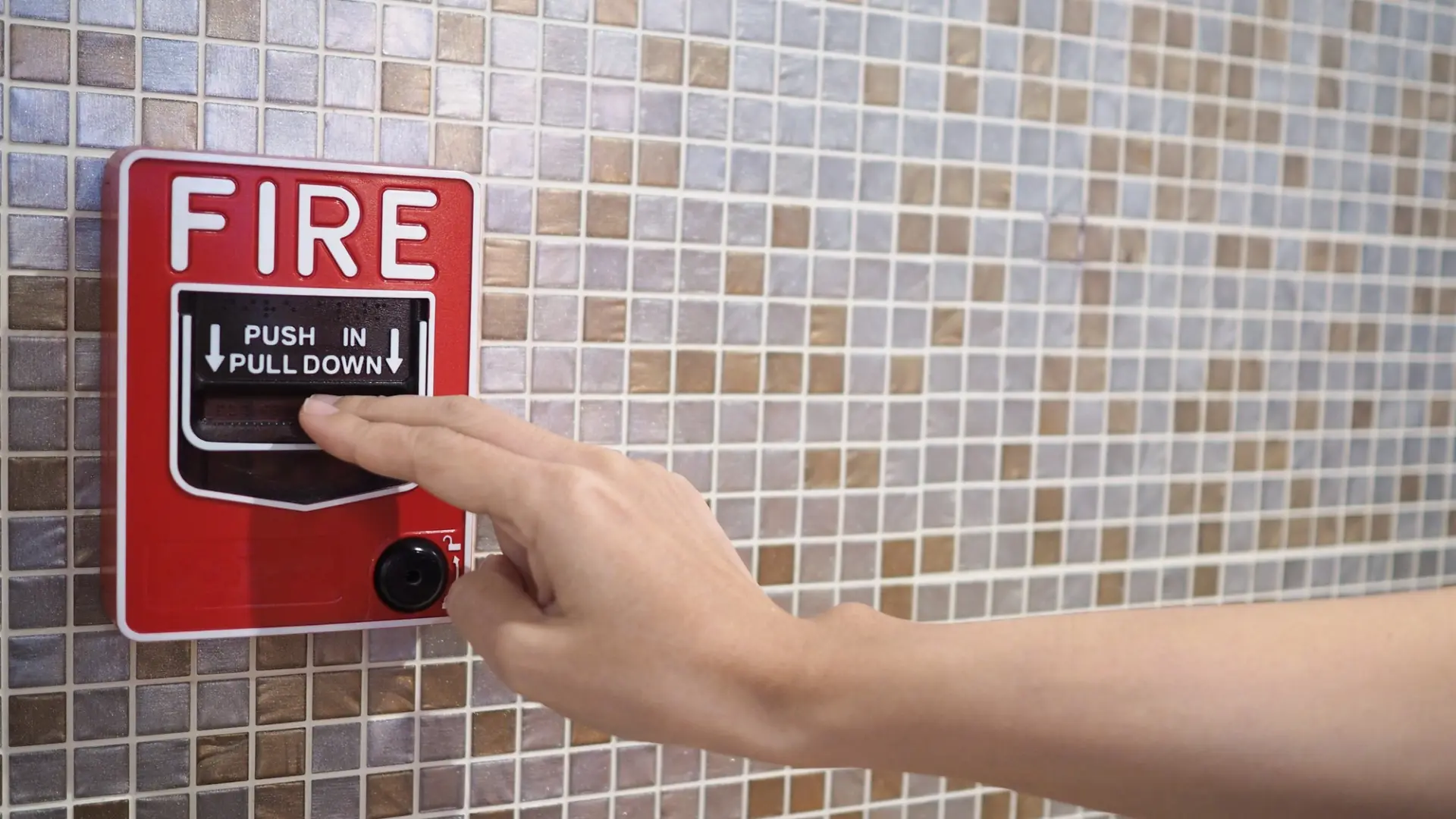
Early warning is particularly needed for people who may need extra time to evacuate the area. This can include children, older people, people with disabilities, visitors unfamiliar with the building, and anyone working in a remote part of the premises. A few extra minutes can make a major difference in whether they can leave safely and calmly.
Prompt alarms also help eliminate the scale of the danger and panic among those on your property. When people receive a warning early, they are more likely to calmly follow planned escape routes rather than rushing or making unsafe decisions. Clear warnings are best for calm movement, organised evacuation, and quicker checks that everyone has reached the assembly point.
How Fire Alarms Help Protect Property
Although the first aim of a fire alarm is to protect people, it can also help protect property. When a fire is detected early, there is a better chance that the fire can be controlled before it spreads widely. This can reduce damage to the building, equipment, stock, personal belongings, records, and important systems.
In workplaces, a fire may stop trading for long periods, damage customer orders, destroy your data, or make the premises unsafe to use or be in. Even a small fire can lead to smoke damage and water damage from firefighting. Fire alarms can also be linked to other safety measures. In some buildings, the alarm may work with fire doors, smoke control systems, sprinkler systems, lifts, access controls, or monitoring services. These linked systems are best for slowing the spread of smoke, guiding people away from danger, and alerting key contacts when nobody is on site.
Property protection is also incredibly important in homes. House fires can destroy expensive or sentimental items that cannot be replaced, such as photographs, personal documents, family possessions, and treasured belongings. Insurance may cover some financial loss, but it cannot replace everything. A working alarm gives people the chance to call for help sooner and limit the harm caused.
The Importance of Fast Evacuation
Fast evacuation is necessary because people should not stay inside a building once a fire alarm has sounded. A fire can change quickly, and conditions can become unsafe without much warning. Heat, smoke, falling materials, and blocked routes can all make escape harder the longer people delay.
Fire alarms signal the start of an evacuation. It is something that should be understood by everyone using your building. People should know what the alarm sounds like, where the exits are, and where to gather once outside. This is why regular drills and clear signs are useful. They help people act without confusion when an emergency occurs.
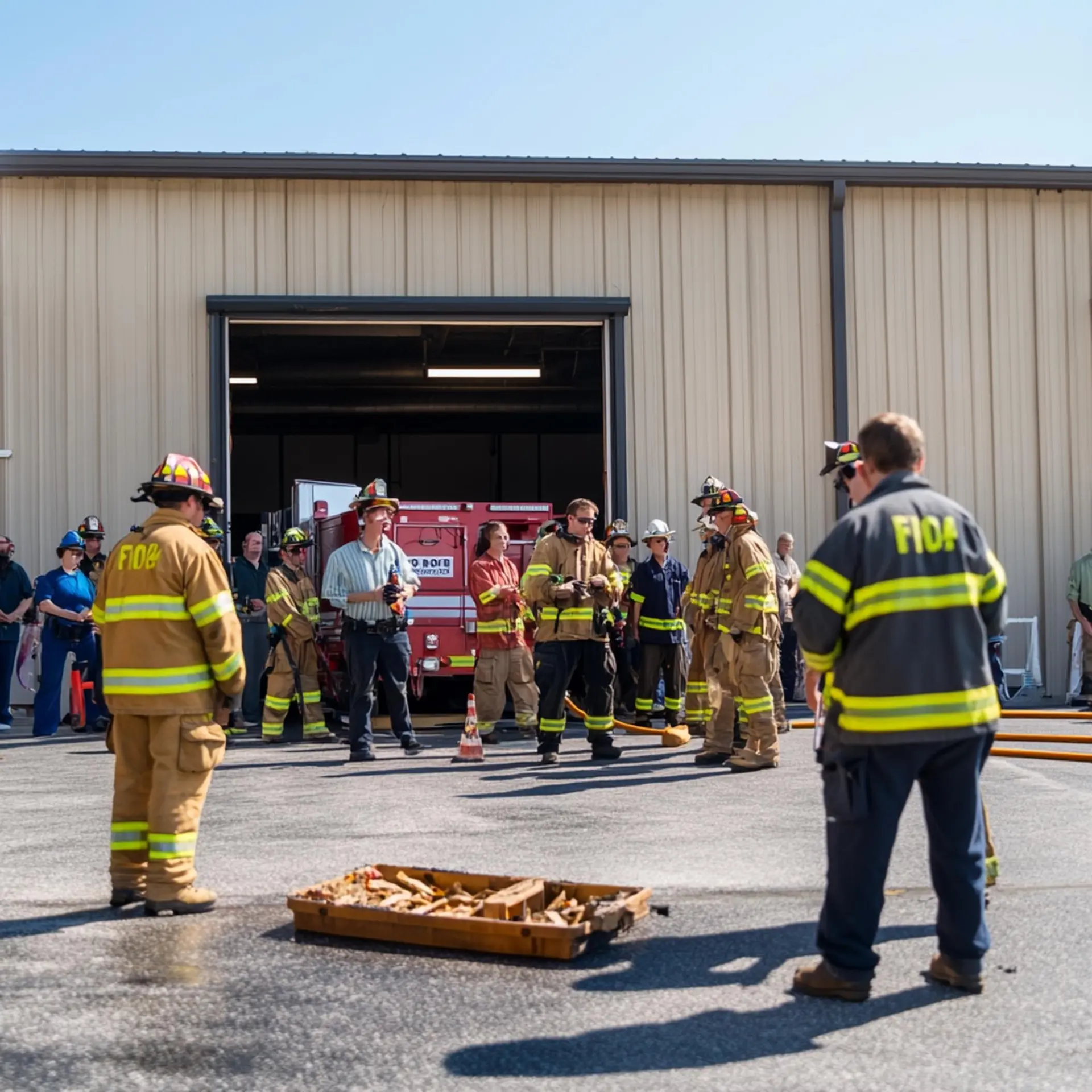
Fast evacuation does not mean rushing everybody out in a dangerous way. It means leaving promptly, using the correct routes, and avoiding any actions that waste time, such as trying to collect belongings from different rooms. People should not stop to collect belongings, finish tasks, or investigate the fire unless they have a clear safety role and it is safe to do so. Personal items can be replaced, but time lost during a fire cannot be recovered.
At your workplace, there should be trained fire wardens to aid in fast evacuation. They can guide your employees, check areas where safe, and report concerns at the assembly point. In homes, families can support a quick escape by agreeing on a plan in advance. Everyone should know how to leave, where keys are kept, and where to meet outside. A fire alarm starts the process, but preparation helps people respond properly.
Reducing Risk in Homes and Workplaces
In households, alarms are a basic but essential form of protection that is completely needed. They are especially needed near sleeping areas, in hallways, and in places where a fire could start unnoticed. They help protect people at night, when reaction times are slower, and danger may not be obvious.
In workplaces, fire alarms form part of a wider safety system. Employers and building managers need to think about how fires could start, who may be at risk, and how people would escape. A suitable alarm system supports these aims by warning staff, visitors, contractors, and customers. It also helps create a safer working environment.
Home kitchens, restaurants, offices, workshops, and warehouses may all need different types of detection. For example, smoke alarms may be suitable in many areas, while heat detectors may be better where steam, dust, or cooking fumes could cause false alarms. Choosing the right type helps make sure you receive more reliable protection.
Fire alarms should not be covered, ignored, disabled, or removed out of inconvenience. False or faulty alarms should be thoroughly investigated and fixed, not treated as a reason to stop using the system. When people respect the alarm system and understand its purpose, it becomes a stronger part of daily safety.
Meeting Fire Safety Responsibilities
In many buildings, fire safety is also a legal and moral responsibility. Those in control of premises must take reasonable steps to protect people from fire. This often includes having suitable fire detection and warning arrangements in place, based on the use and layout of the building.
A fire alarm system helps meet these responsibilities by providing a clear method of warning people. However, having an alarm is not enough on its own. It must be suitable for the building, correctly installed, properly maintained, and understood by the people who may need to respond. A poor or unreliable system may give a false sense of safety.
Responsible people should also keep records of checks, servicing, faults, and any action taken. These records show that fire safety is being managed, not left to chance. They can also help identify repeated problems, such as false alarms in a certain area or equipment that needs replacing.
Meeting responsibilities also means thinking about all users of your building. Some people may not hear a standard alarm, may not recognise it, or may need help leaving the building. Visual alarms, personal emergency plans, staff training, and clear procedures may be needed. A good fire safety approach considers real people, not just equipment.
Fire Alarms and Peace of Mind
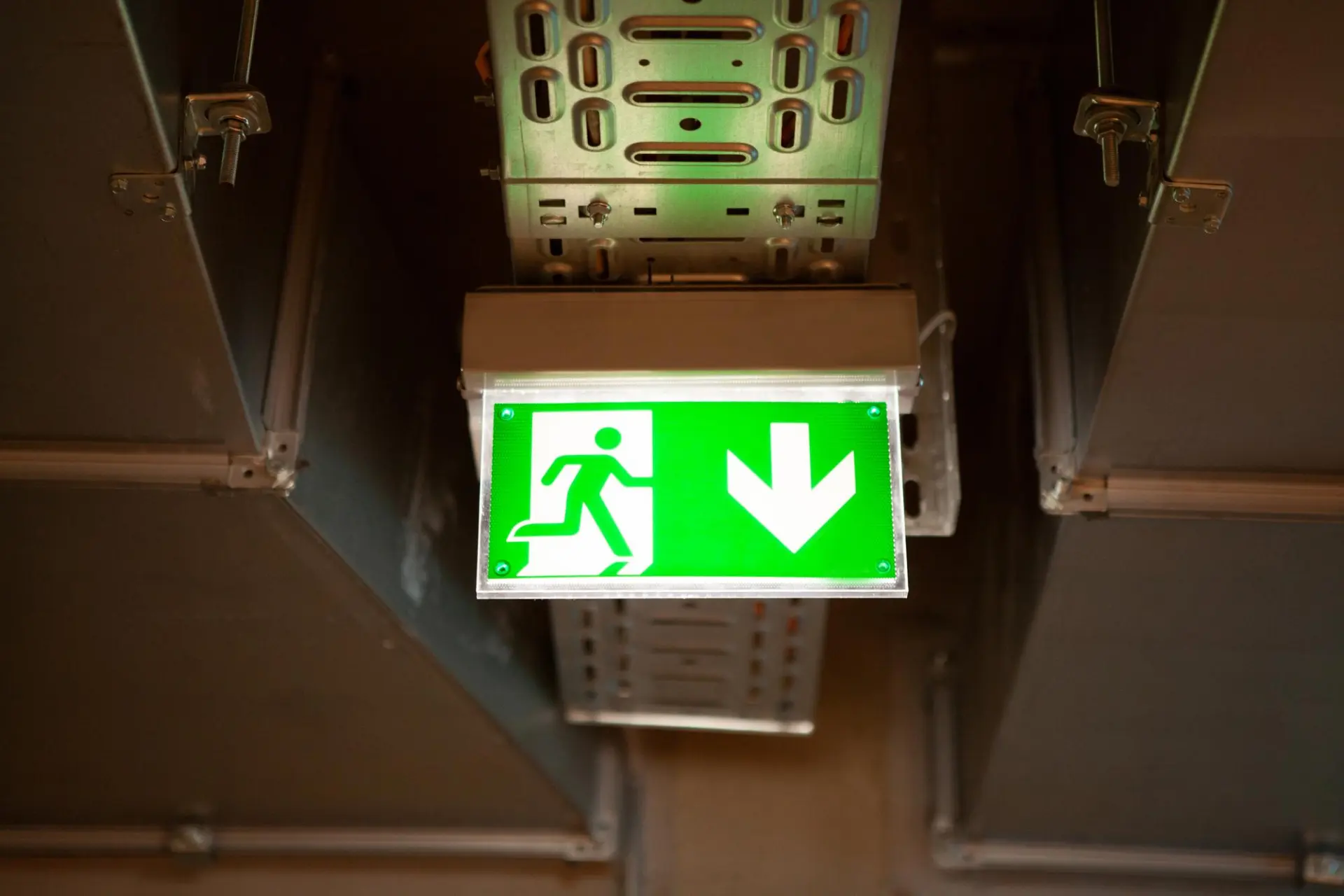
A reliable fire alarm is able to give you lots of peace of mind because it limits any uncertainty. People can sleep, work, study, shop, or visit knowing that there is a system in place to warn them if a fire is detected. This sense of safety is valuable, especially in buildings with children, older people, guests, or large numbers of visitors.
In the home, fire alarms can reassure families that they have a basic level of protection day and night. Parents may also feel much safer knowing alarms are fitted near bedrooms and escape routes. People living alone may also feel more secure, especially if alarms are placed where they can be heard clearly throughout the property.
Fire alarms in workplaces are a sure-fire way to help staff feel that their safety is taken seriously. A clear and tested alarm system shows that the building is being managed with care. This can support confidence among employees, visitors, and customers. People are more likely to trust safety procedures when the equipment is visible, maintained, and taken seriously.
Common Causes of Fire in Buildings
Many building fires tend to start as a result of everyday activities. Cooking is one of the most common causes, especially when pans, grills, ovens, or hobs are left unattended. Grease, oil, cloths, packaging, and other nearby items can catch fire quickly, which is why safe cooking habits are necessary to pick up.
Electrical faults are another major cause of fires in homes and buildings. Damaged cables, overloaded sockets, poor wiring, faulty appliances, and unsafe chargers can all create danger. Equipment should always be used correctly, kept in the best possible condition, and switched off when appropriate. Heating equipment can also create many different types of fire risks. Portable heaters, boilers, open fires, and radiators need a safe space around them. Materials such as clothing, paper, bedding, and furniture should not be placed too close to heat sources. Chimneys, vents, and heating systems may also need cleaning or servicing to remain safe.
Other causes tend to involve smoking materials, candles, deliberate fire-setting, poor storage of flammable items, and unsafe work such as welding or cutting. Waste build-up can also increase the chance of fire spreading.
Why Regular Testing and Maintenance Matter
Fire alarms must work when they are needed. Regular testing helps confirm that the alarm can sound correctly and that people can hear it. In homes, this may mean pressing the test button as recommended by the manufacturer. In workplaces, testing should follow the building’s fire safety arrangements and be recorded.
You must have frequent alarm maintenance because alarm parts can fail as time passes. Batteries can run down, sensors can get dirty, sounders can stop working, and control panels can become faulty. Dust, paint, steam, insects, or damage can also affect detection. Without checks, a system may look fine but fail during a real emergency.
Professional servicing may be needed for larger or more complex systems. A competent person can inspect the system, test key parts, identify faults, and advise on repairs or improvements. This helps keep the alarm suitable for the building and its current use. Buildings change over time, and alarm systems may need to change with them.
Choosing the Right Fire Alarm System
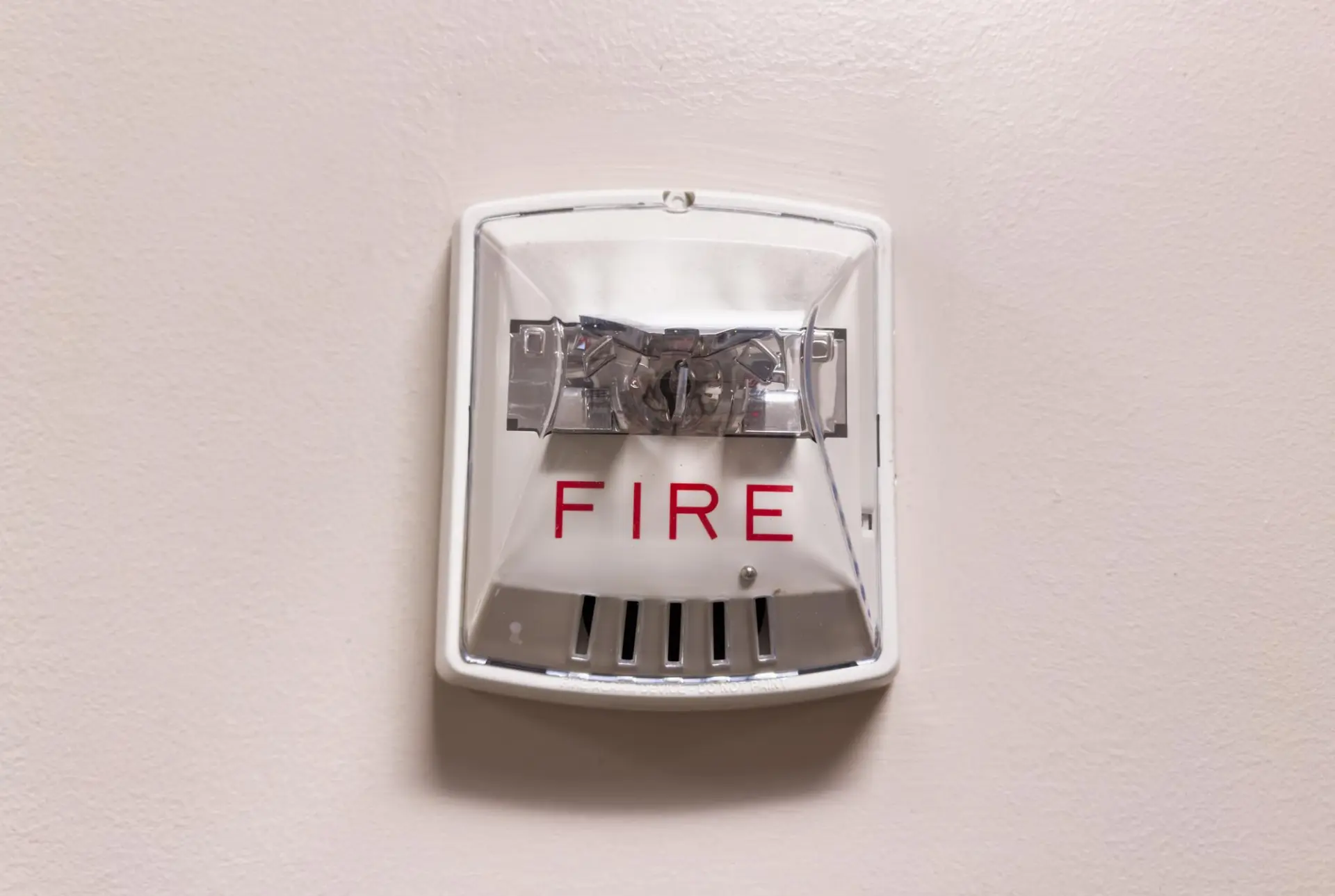
Choosing the right fire alarm system will depend on the building, the people using it, and the fire risks currently present. A small home may need a different arrangement from a large office, care setting, factory, or shared residential building. The aim is to provide a warning that is suitable, clear, and reliable.
Smoke detectors are useful in many areas because they can identify smoke early. Heat detectors are usually much better in kitchens, garages, or dusty spaces where smoke alarms can be triggered too easily. More advanced detection may be needed in some areas or circumstances because of special risks or valuable equipment.
The alarm must also be heard or seen by the people who need it. In noisy workplaces, large buildings, or places where people may have hearing difficulties, sound alone may not be enough. Visual alarms, vibrating alert devices, voice alarms, or linked systems may be needed. A good system considers how people will actually receive and understand the warning.
The Role of Fire Alarms in Emergency Planning
Fire alarms are a major aspect of emergency planning because they provide the trigger for action. An emergency plan explains what people should do when the alarm sounds. This includes how to leave, which exits to use, where to assemble, who checks key areas, and how emergency services are contacted.
Without any clear alarm signals, emergency plans may not start promptly enough for complete protection. People may wait for instructions, misunderstand the dangers, or delay the leaving process. Fire alarms give everyone a shared warning across your building, and doing so helps everyone respond at the same time, even if they cannot see the fire.
Emergency planning should also include people who may need help. This might involve named helpers, refuge points, evacuation chairs, visual alerts, or personal plans. The alarm system should assist these arrangements. For example, a person who cannot hear a sounder may need another form of warning.
Drills are the best way to help test whether or not your alarm and current plans work together. They show whether people recognise the alarm, use the correct exits, gather in the right place, and report any issues. A drill may reveal any blocked routes, poor signage, weak communication, or areas where the alarm is hard to hear. These lessons can then be used to improve safety.
Why Every Building Needs Reliable Fire Detection
Every building needs reliable fire detection because fire can start almost anywhere. Even buildings that seem low risk contain possible sources of ignition, for example, electrical equipment, heating, cooking areas, lighting, batteries, or human error. A fire alarm provides an important layer of protection against these risks.
Reliable detection is most important because people may not always notice the fire straight away. A fire could begin in an empty room, a storage area, a roof space, a kitchen, or whilst people are sleeping. By the time smoke or flames are seen, escape routes may already be affected. Detection helps close that gap between danger starting and people becoming aware of it.
A building without working fire detection places people at unnecessary risks. It also maximises the chance of much greater damage, longer disruption, and more serious consequences. Whether the building is a family home, a rented property, a business site, or a public space, people inside deserve a clear warning if danger develops.
Por-Tech Fire & Security Solutions Ltd provides professional fire alarm installation services for homes and businesses across Blackburn, Preston and Fylde Coast. Our reliable systems can help you protect your property.