Access control systems help protect buildings by managing who can enter certain areas and when. From keypads and fobs to biometric, mobile, wired and wireless systems, there are many options available. This article explains the main types of access control systems, how they work and what to consider before choosing one.
Why Access Control Matters
Access control systems are important because they help manage who can enter a building, site, room or restricted area. These systems use keypads, cards, fobs, intercoms or other entry methods to give you better control over your access, which can improve the safety of your staff, visitors, residents or customers.
Access control systems also help you keep a clear record of who has entered your building and when, which can be useful for security checks. Overall, access control systems are a practical way to improve your security, protect you and your staff and manage your property with more confidence.
Keypad Access Control Systems
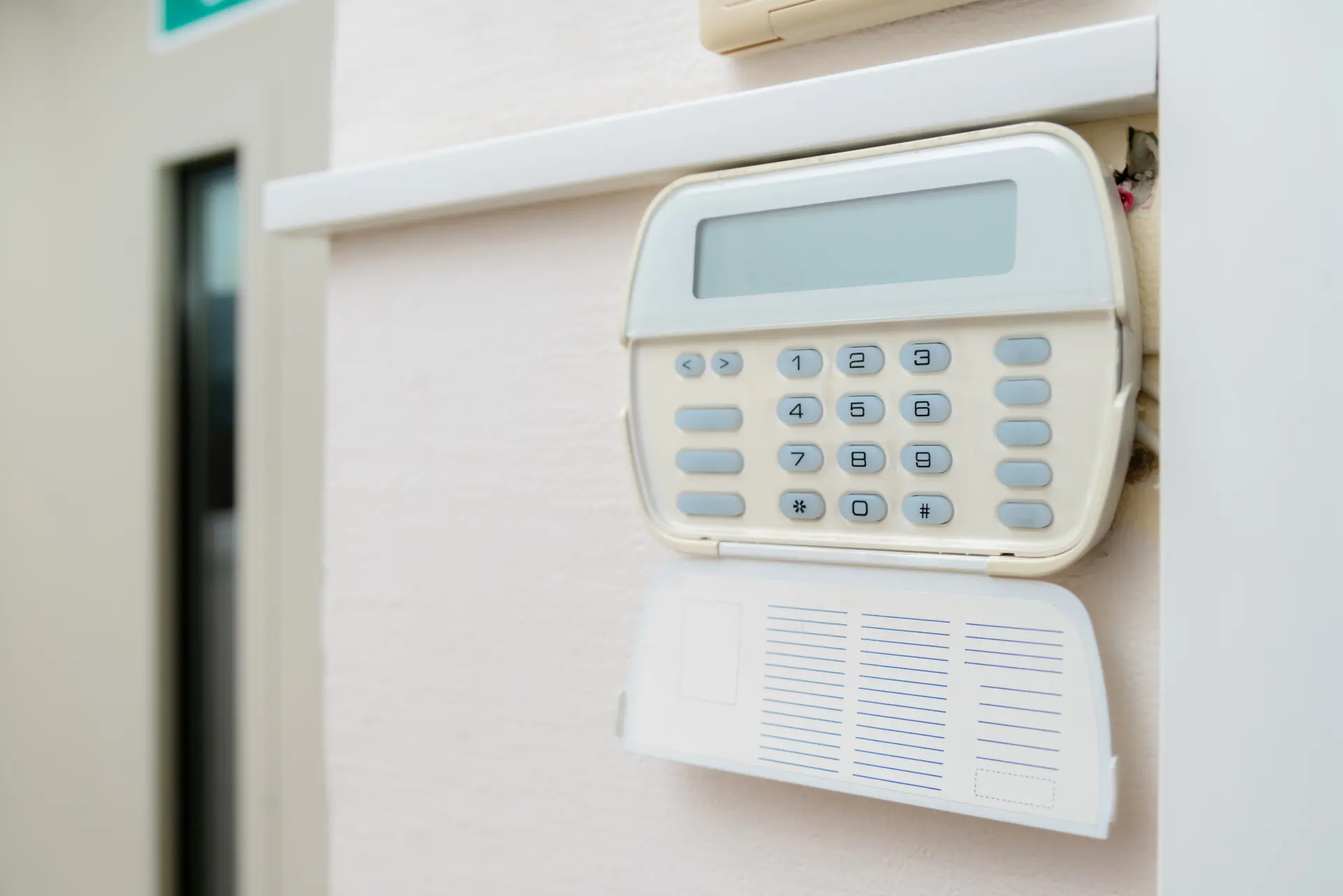
A keypad access control system allows people to enter a building, gate, room or restricted area by typing a set code into a keypad. It's a popular choice for homes, offices, schools, flats, warehouses and business sites because it provides a simple way to control your entry without using traditional keys. These systems are also convenient because approved users do not need to carry a key, card or fob; they simply need to remember the code.
The keypad is usually fitted beside a door, gate or barrier, so when a person enters the correct code, the system sends a signal to release the lock, allowing the door or gate to open. If the wrong code is entered, the lock stays shut, and some systems can also sound an alarm or block further attempts for a short period of time after repeated wrong entries.
Card and Fob Access Control Systems
Card and fob access control systems let approved people enter a building using a small card or key fob. They are often used in offices, flats, schools, warehouses, gyms, care homes and business sites because they are easy to use and manage.
Each card or fob has a unique code, and when someone presents it to a reader near the door or gate, the system will check whether that code is approved or not. If it's accepted, the system will send a signal to unlock the door, but if it isn't, the entrance will stay locked.
These systems are useful because your access can be controlled without needing traditional keys. If a card or fob is lost, it can usually be blocked from the system, which means there's no need to change the locks. Some systems also have different access levels, so only certain people may be able to enter specific areas.
Biometric Access Control Systems
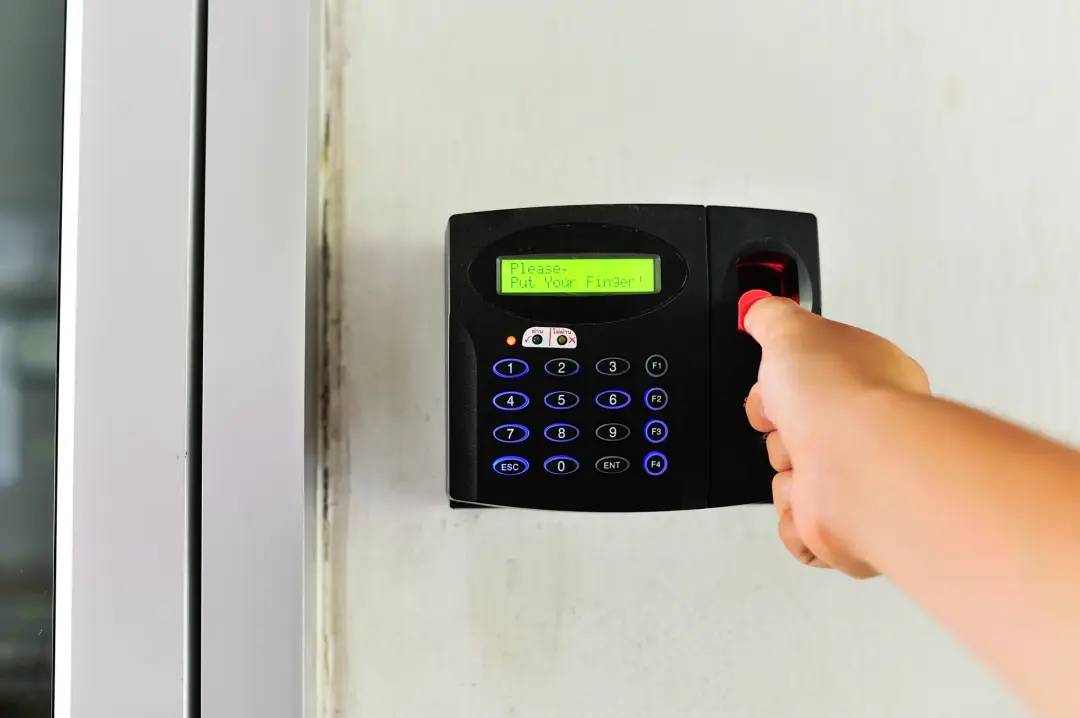
Instead of using a key, card, fob or code, a biometric access control system checks something unique to the user. This can include a fingerprint, face, hand shape, eye pattern or voice. These systems are often used in offices, schools, healthcare sites, warehouses, gyms, data rooms and other places where strong security is needed.
This system works by first saving an approved user’s details, such as a fingerprint, so when the user wants to enter the building, they simply need to place their finger on the reader, look at a camera or use another approved method. The system then compares the live scan with the stored record, and if the details match, the system will approve your access.
Biometric systems are useful because they are hard to copy and they remove the need to carry items that can be lost. They can also keep a record of who entered the building and when. However, they must be set up carefully in order to protect the user's personal data.
Mobile Access Control Systems
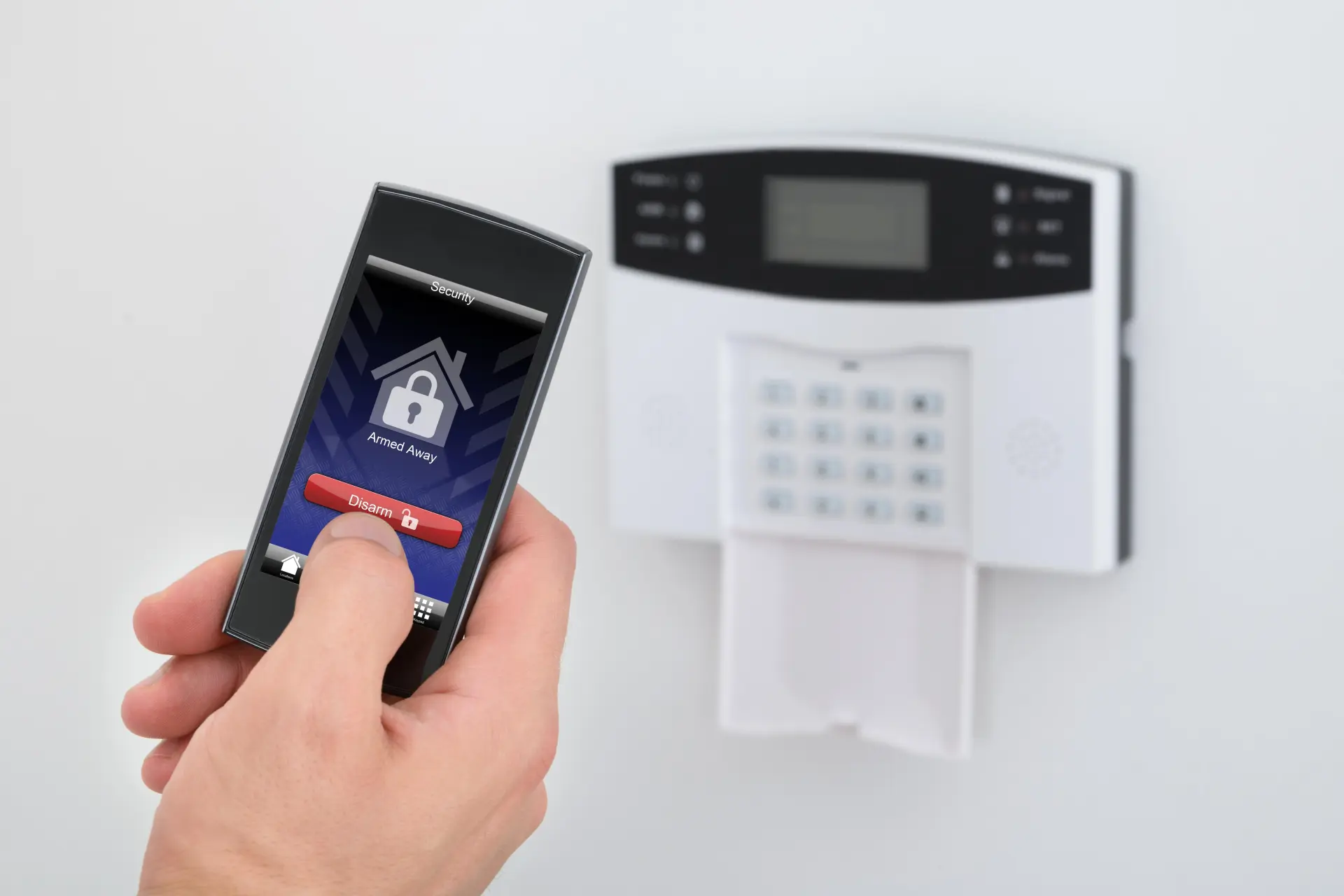
Mobile access control systems unlock doors, gates or barriers using a mobile phone or other smart device. Instead of carrying keys, cards or fobs, users can gain entry through an app, digital pass or a secure link. The system works by connecting your mobile device to an access reader that's fitted near the entrance, so when you approach the door, all you need to do is tap the button on the app, hold the phone near the reader, or use a digital pass stored on the device.
Mobile access control is useful because a user's access permission can be changed quickly. This can be helpful when staff leave, when visitors need short-term entry, or when tenants move in and out. Some systems can also send temporary access links, which can be useful for contractors or delivery staff.
Intercom and Door Entry Systems
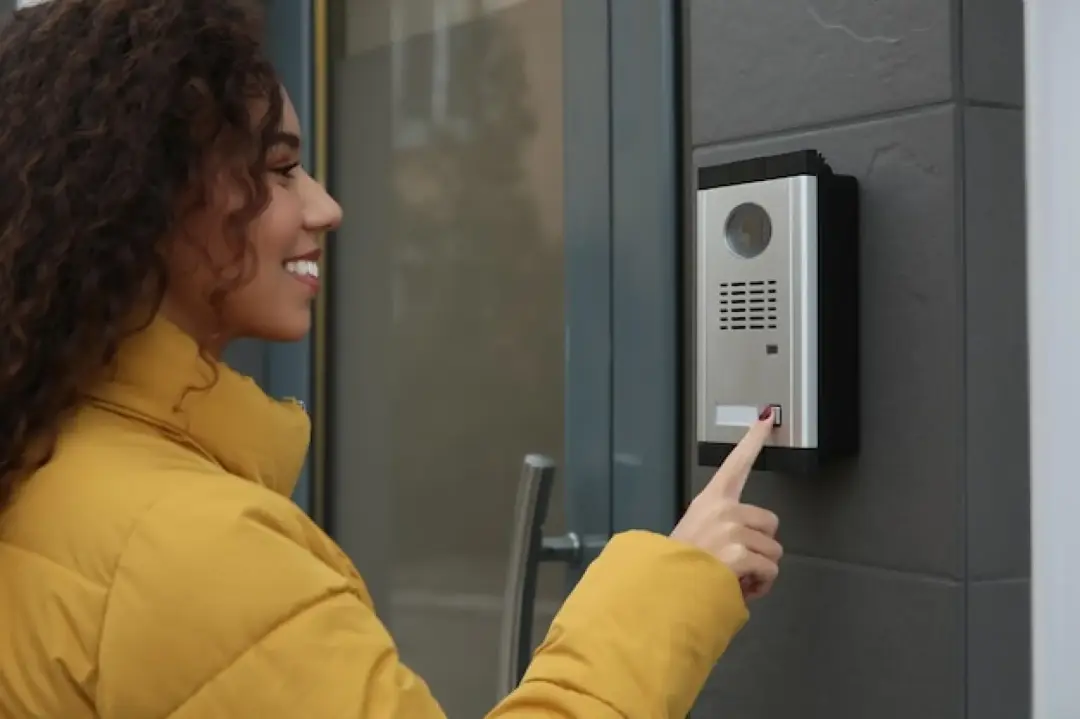
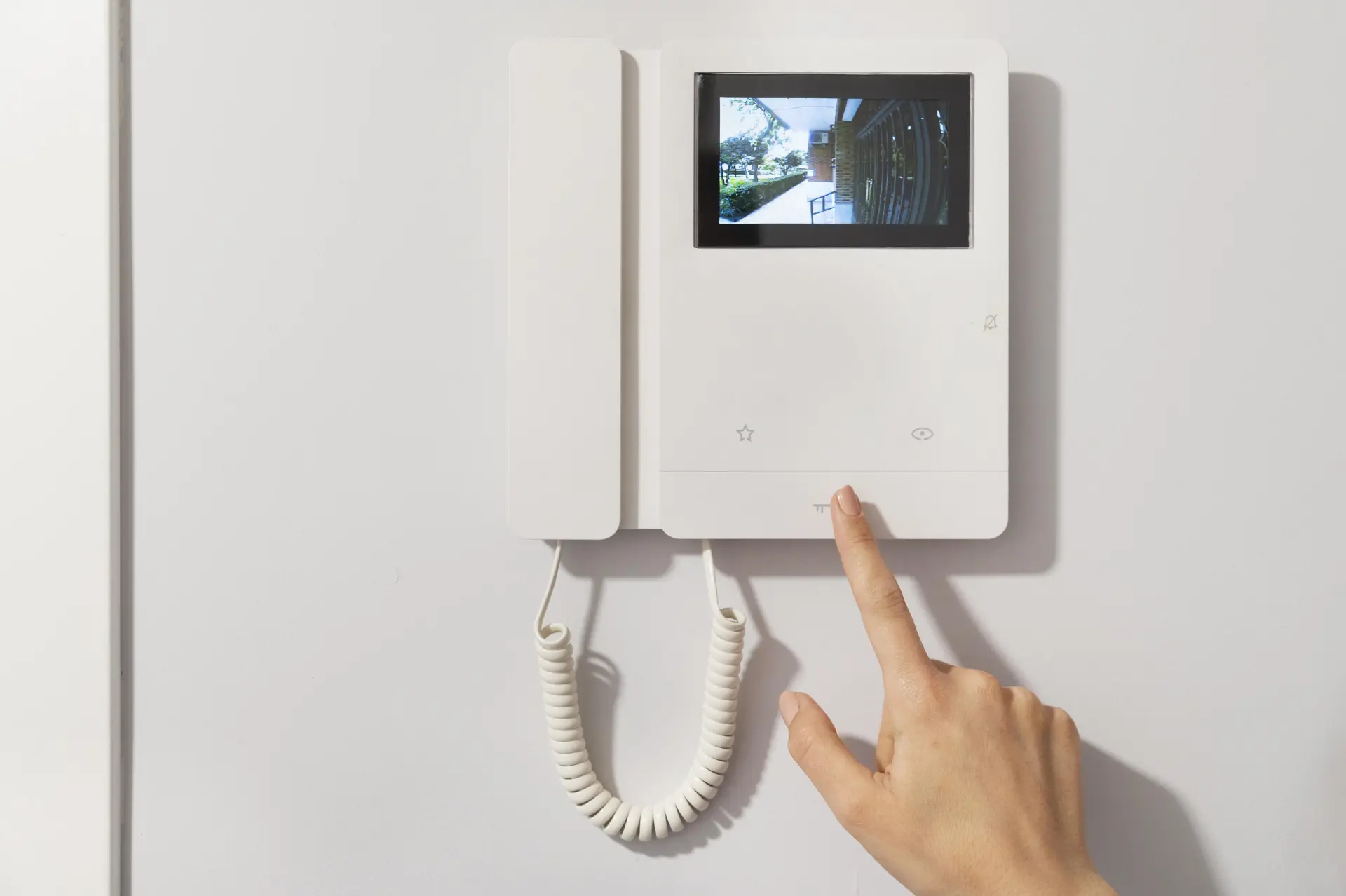
A basic intercom system usually includes an outside panel, an inside handset or screen, and an electric lock, so when a visitor arrives, they press a button on the outside panel, which alerts the person inside the building. The person inside can then speak to the visitor through the intercom, but with video door entry systems, they can also see the visitor on a screen before deciding whether to grant them access.
Many modern door entry systems can also connect to mobile phones, allowing the user to answer calls and open doors from another location. Some systems can include keypads, cards, fobs or cameras for extra security.
Cloud-Based Access Control Systems
Instead of storing all your access settings on a single computer or control box, a cloud-based system uses secure online software. This means that authorised users can manage their access from a computer, tablet or mobile phone, depending on the system.
The system works by linking access readers, locks and control panels to your cloud software, so when someone uses a card, fob, mobile pass or a keypad code, the system will check their details against the online settings.
Cloud-based systems are useful because you can add a new user, remove an old user, change your access times or check past entry records without being on-site. This can be great for offices, flats, schools, warehouses, care homes and businesses with more than one location.
On-Site Access Control Systems
Unlike cloud-based systems, the main settings and access records for on-site systems are usually stored on a local server, control panel or computer within the building. The system works by connecting doors, gates, readers and locks to a local control unit, so when someone uses a card, fob, keypad code or another entry method, the system checks the details against the information stored on-site.
On-site systems are managed by authorised staff at the premises. They can add or remove users, change access rights, set time limits and review the entry records from the local system. This can be useful for sites that prefer not to rely on online access or that need a system that can keep working even if the internet isn't available.
Wired Access Control Systems
Wired access control systems are often fitted in offices, schools, flats, warehouses, factories, care homes and commercial buildings where reliable entry control is needed. Because the system's main parts are linked through cables, wired access systems are often seen as strong, stable and suitable for long-term use. Wired systems can also be connected to fire alarms, intruder alarms, cameras and door entry systems, which can help you create a better security setup across your site.
Wireless Access Control Systems
Wireless access control systems are often used in offices, flats, shared buildings and temporary sites. The system works by using wireless signals to connect the readers, locks, control units and management software together. A user may present a card or fob, enter a keypad code, or use a mobile device, and then the reader will check the access details through the system. Wireless access control is often quicker and cleaner to install than a fully wired system, and it can also be easier to expand, since extra doors or areas may be added without needing any major building work.
Single-Door Access Control Systems
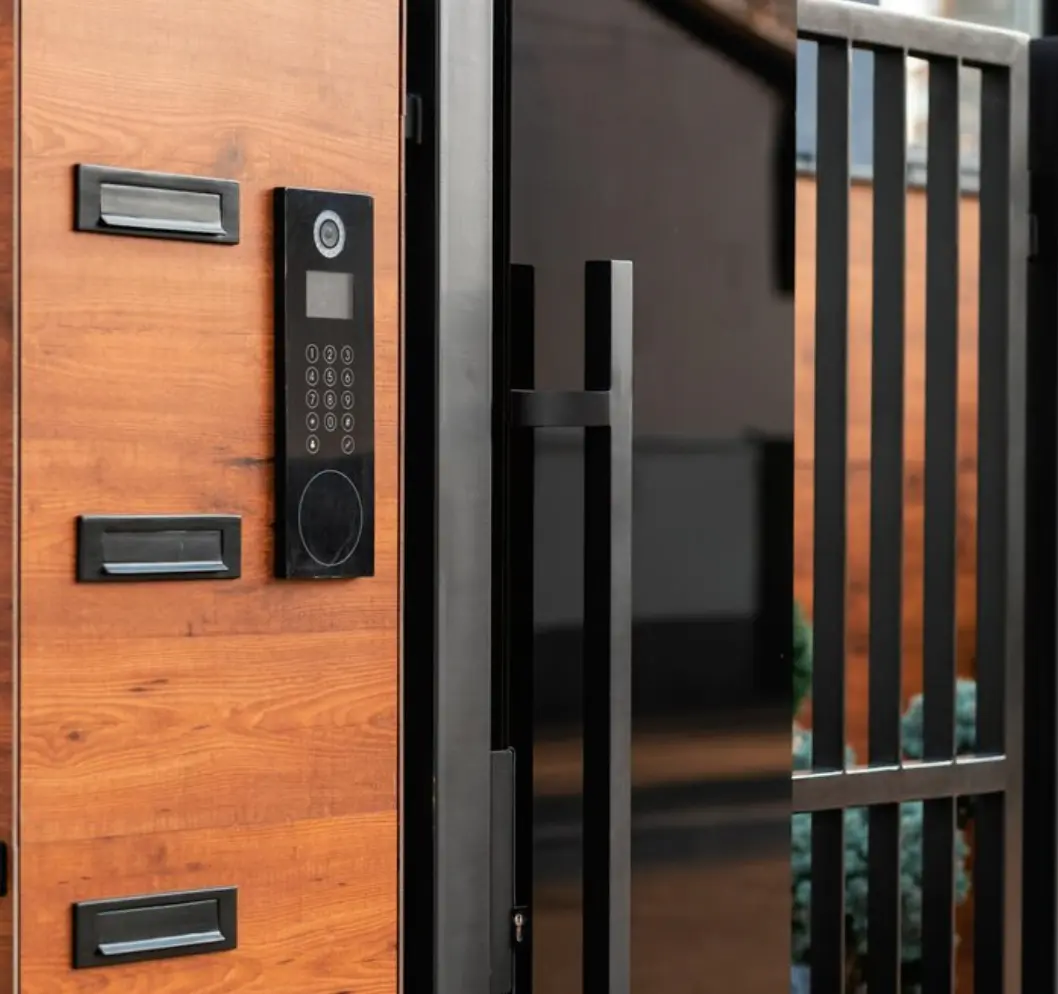
A single-door access control system usually includes a reader, an electric lock, a control unit and a power supply. The reader may use a keypad, card, fob, mobile device or biometric method, so when a person tries to enter, they must present their card or fob, type in a code, or use another approved method.
Single-door systems are useful because they help stop unauthorised entries without making access difficult for other approved users. They can remove the need for traditional keys, which can be lost, copied or shared, and a user's access can often be added, changed or removed when people leave or move out.
Multi-Door Access Control Systems
Multi-door access control systems work by linking each entrance to a central control system. This means that each door may have its own reader, electric lock, control unit and power supply, meaning that one user may be allowed into the main building, but not into specific offices, stock rooms, plant rooms or private areas. Multi-door systems are useful because they give property owners and managers clear control over their whole site.
Role-Based Access Control
Role-based access control is a way of managing who can enter certain areas based on their role within a business. Instead of giving every user the same level of access, some are placed into groups, and then each group is given access to the areas they need and blocked from areas they do not.
The system works by linking each person’s card, fob, mobile pass, code or biometric record to a role, so when they try to enter a door, gate or restricted area, the access control system will check their role and permissions. If their role grants them access to that area, the door will unlock.
Time-Based Access Control
Instead of giving users access at all times, time-based systems only allow users to enter a building during approved days and hours. The system works by linking each user’s card, fob, mobile pass, keypad code or biometric record to a time schedule, so when someone tries to enter, the access control system will check two things. First, it checks whether the person is approved for that entrance, and secondly, it checks whether they are trying to enter during their set time.
Which Type of Access Control System Is Best?
The best type of access control system depends on your building, the level of security you need, the number of users, and how the site is used each day. There is no single system that's right for every type of property, so it's important to choose one that matches your needs.
For small sites or single rooms, a keypad, card or fob system may be enough. For offices, flats, schools or commercial buildings with several entrances, a multi-door system may be more suitable. For high-security areas, biometric access control may be the better choice, and for businesses that need flexible management, a cloud-based system can be the best.
What to Consider Before Choosing a System
Before choosing an access control system, it's important to think about how the building is used and what level of security is needed. A small office, flat block or shop may only need a simple keypad or card system, while a larger site may need a system that can control several doors, gates or restricted areas.
You should also consider how many people need access to the site, too. Staff, tenants, visitors, cleaners and contractors may all need different levels of entry. In this case, installing a system with role-based or time-based access can help you manage this better. It's also worth thinking about how often the access details will need to be changed, especially if people join, leave or move between areas often.
Por-Tech Fire & Security Solutions Ltd provides professional access control system installation services for homes, businesses and commercial sites. From keypads and card readers to fobs, intercoms and door entry systems, we can help improve your security by installing reliable, easy-to-use access control systems.