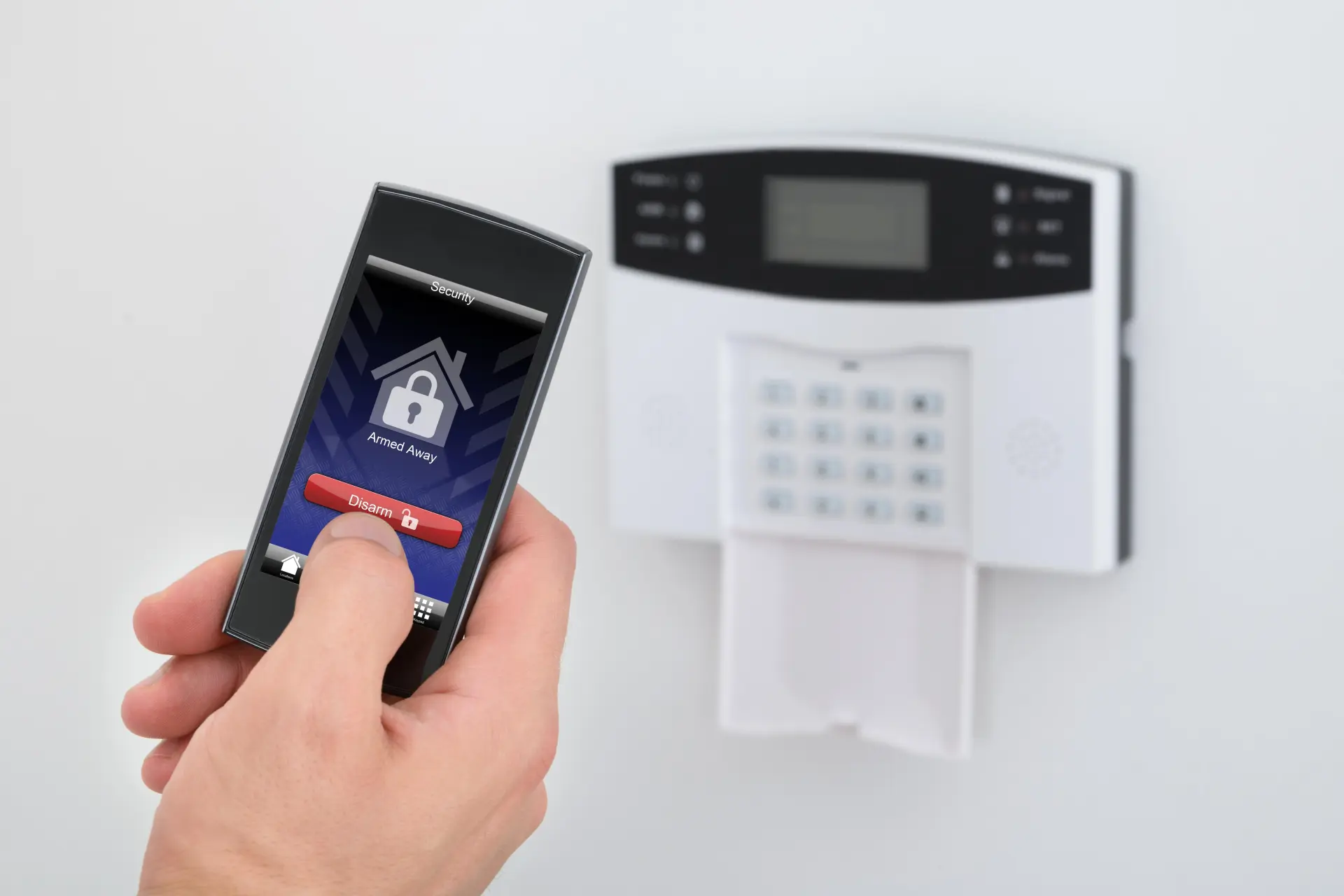
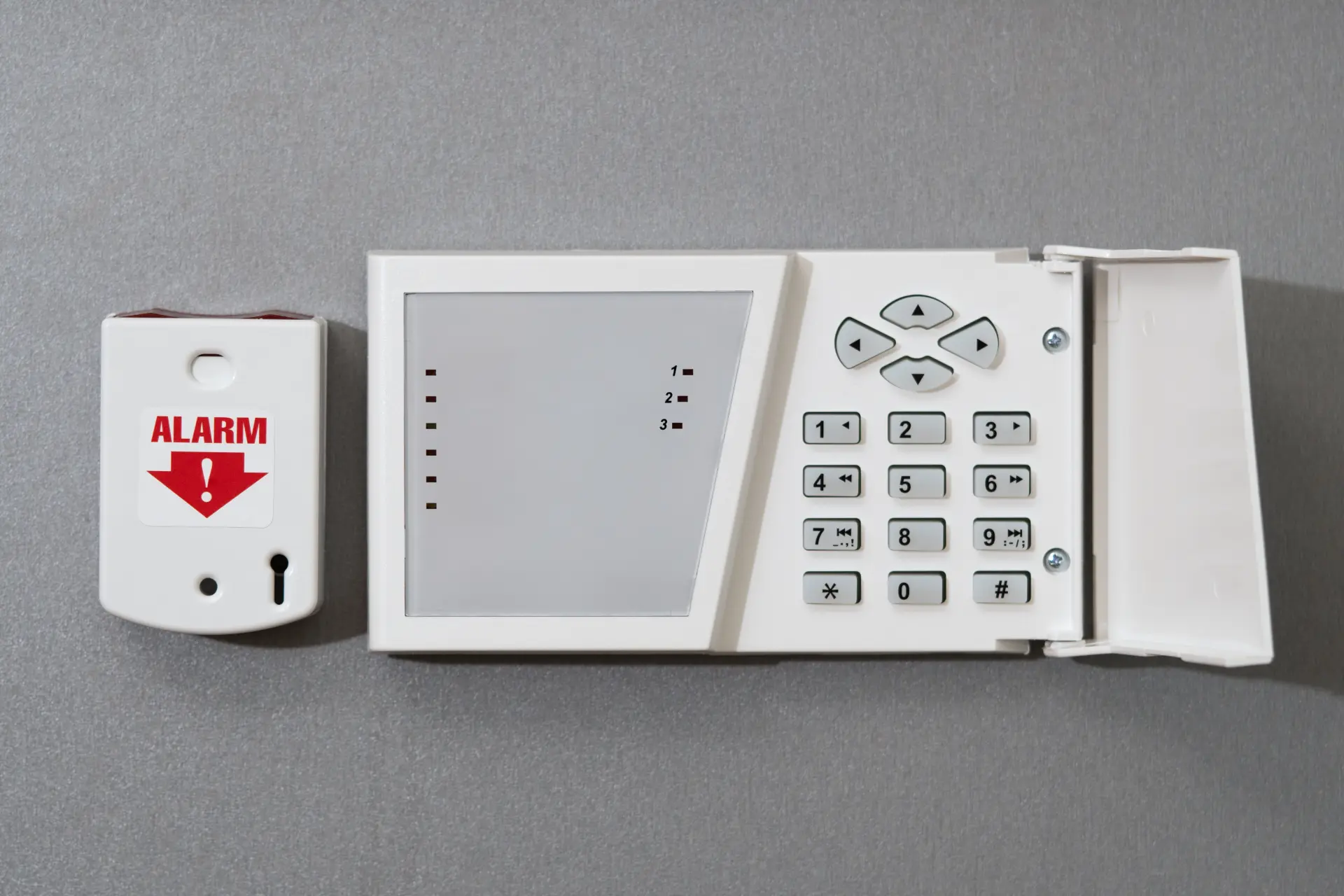
Discover how to choose the right intruder alarm system to safeguard your property. We can help you pick the correct sensors and system type for your home or business.
List the areas you want to protect
When you're choosing the right intruder alarm system to install, it's important to prioritise the areas you want to protect. Every home is different; some have easy access at the back, others have side alleys, ground-floor windows, or attached garages. By focusing on the most vulnerable and most important areas first, you can build a system that gives you better protection without the hassle of paying for parts you don't need.
Prioritising the areas you want to protect can also help you choose the right type of alarm to get. If your main concern is someone forcing a door open, alarms with door and window sensors may be the best choice. If you're worried about someone moving around inside, alarms with motion detectors may be the better choice.
Decide between monitored and unmonitored systems
A monitored system is linked to an alarm receiving centre, often called an ARC. The ARC is staffed all day and night, and they can follow an agreed plan if your alarm is triggered, such as calling you, a keyholder, or the emergency services. This can be a big benefit if you're away a lot or if you want extra support when you're sleeping.
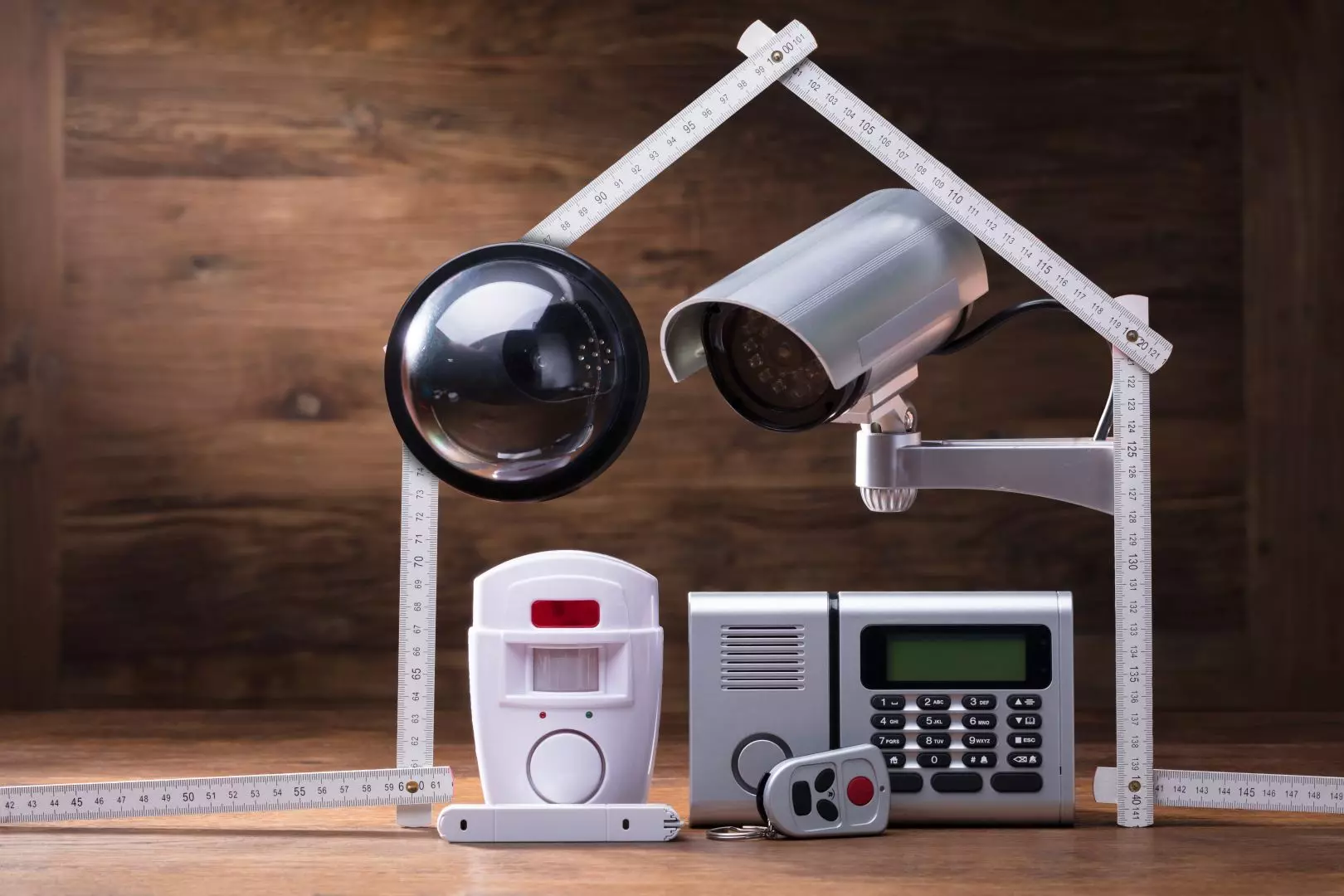
Monitored alarms can also help you if you need a police response. In the UK, police responses usually depend on the system meeting national rules and having a unique reference number, often called a URN. It's important to know that a monitored alarm system isn't guaranteed to receive a police response, and repeated false alarms can lead to the URN being removed. Monitored systems also cost more because you pay for the monitoring services, and you may need to have the system regularly checked to ensure it's working properly.
An unmonitored system, on the other hand, isn't linked to an ARC. Instead, it relies on a loud siren, flashing lights, and alerts. This can still be very effective, especially as a deterrent, since the alarm can draw attention and make an intruder leave quickly. Unmonitored systems are usually cheaper to run too, because there are no monitoring fees, and they can suit many people who are often at home, have neighbours nearby, or want a simpler setup.
Choose the right sensors for your home or business
Choosing the right sensors is one of the most important parts of installing an intruder alarm system. Sensors are the parts of the alarm that notice a problem and tell the alarm to react. If the wrong sensors are used, or if they're put in the wrong places, the system may miss an intruder or trigger an alarm when nothing's wrong.
Doors, ground-floor windows, patio doors, and side entrances are common weak points. Door and window sensors can alert you as soon as an entry point is opened, and this is useful because it warns you early on, before an intruder gets far into the building. Motion sensors are also important because they can detect movement inside key areas like landings, reception areas, or stock rooms. This adds a second layer of protection to your property. Even if someone gets past a door or window, any movement that's detected inside will still set the alarm off.
Decide between wired and wireless systems
Deciding between a wired and a wireless intruder alarm system is an important step when you're looking to protect your home or business. Both options can work very well, but the right choice depends on your property, your budget, and how you want the system to be fitted and used.
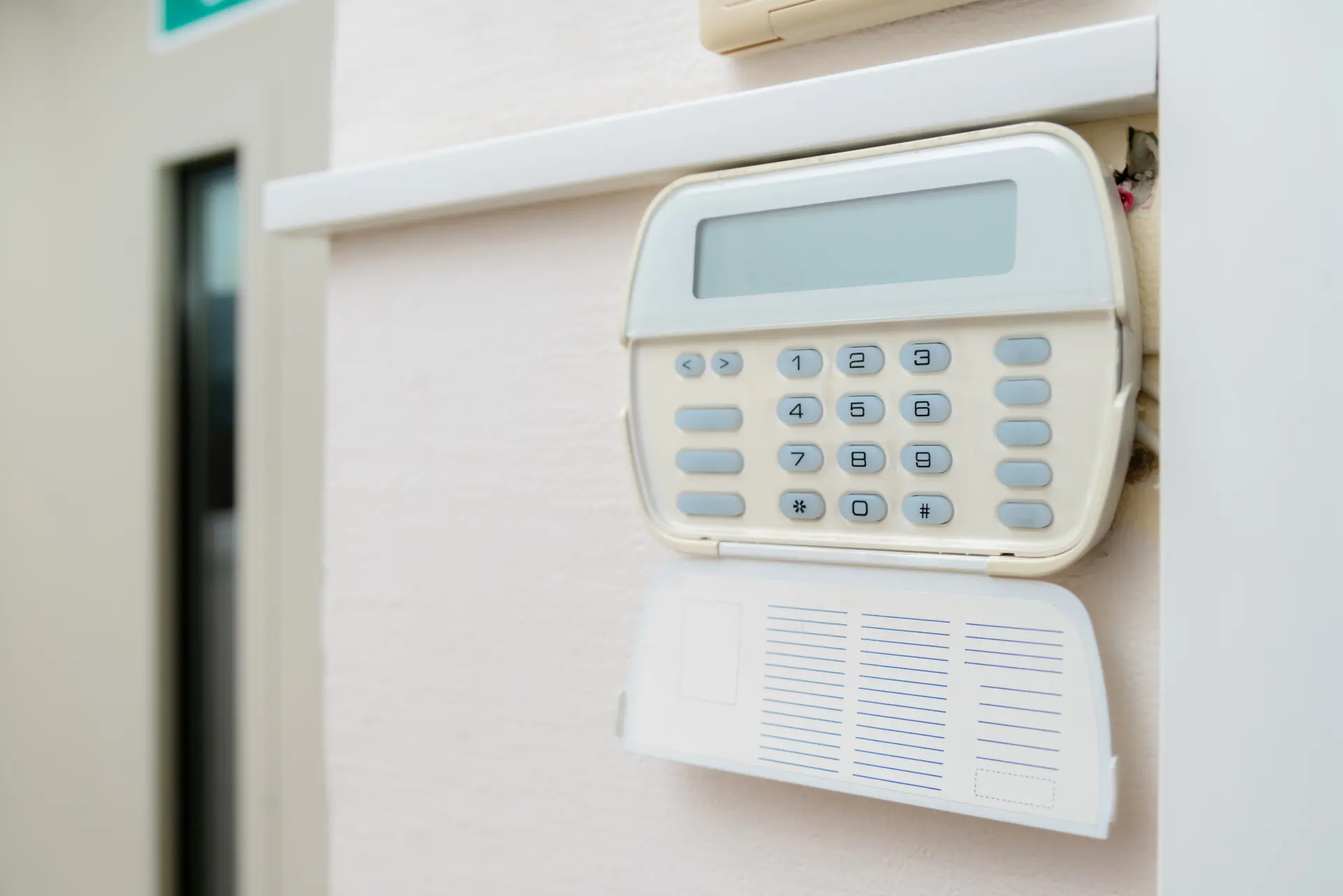
A wired alarm system consists of sensors, keypads, and sounders that are connected together using cables. One benefit of a wired system is its reliability, simply due to the fact that the sensors don't need batteries.
Wired systems are generally a good choice for larger buildings, sites with many sensors, or places where the system won't change much over time.
They can also suit new buildings and renovations, because the cables can be hidden inside the walls and ceilings while building work is taking place. The main downside of a wired alarm is the installation. Running cables can take longer to install, and the process often involves lifting up floorboards or repairing walls afterwards.
On the other hand, a wireless alarm system uses radio signals to link the devices to the main control panel. One key benefit of this system is that it's faster and cleaner to install.
This makes wireless systems extremely popular for newly decorated homes, rented properties, and smaller business sites where you'll want a strong security system without needing major building work. However, the main drawback of wireless systems is their battery care. The sensors will need to have their batteries changed from time to time, and ignoring low battery warnings can weaken your protection.
Por-Tech Fire & Security Solutions Ltd provides professional intruder alarm installation services for homes and businesses across Blackburn, Preston and Fylde Coast. Our reliable systems can help you protect your property.